By Streetsblock NYC
Mary Beth Kelly of Families for Safe Streets has been calling on state health authorities to declare this year’s increase in all city road deaths a “public health emergency,” which would give city officials emergency powers to solve the problem —
“These crashes are too frequent, too predictable, too deadly, and, most importantly, preventable!” “We have the anti-virus — [and] this epidemic, and like any other, requires cultural and systemic intervention. … But we lack the political will to change a culture dominated by cars and speed.
And need our health community! We need you in this struggle to save lives and eliminate the intense and widespread suffering that this scourge inflicts on our families and our communities

That said, New York is extremely late to the party when it comes to assessing traffic violence as a health problem rather than a transportation problem. London, for example, doesn’t merely seek to create “safe streets,” but mandates the notion of “healthy streets.” Under the “Healthy Streets for London” program started by Mayor Sadiq Khan in 2016 [PDF], roadways are not merely designed for safety for cyclists and drivers, but also to make sure pedestrians are safe from crashes, from anxiety, from noise or even from being discouraged from walking at all.
That public health lens has helped reduce fatalities, which are dramatically lower than New York this year, even though greater London has a half-million more people.

“If 30,000 people were killed each year in the United States by a curable illness, we would call it a public health crisis. We would deploy resources, vaccines and interventions to address the spread and bring the death toll to the only acceptable level: zero,” the Vision Zero Network said in a 2016 report.
whole article: Road Carnage Caused by SUVs


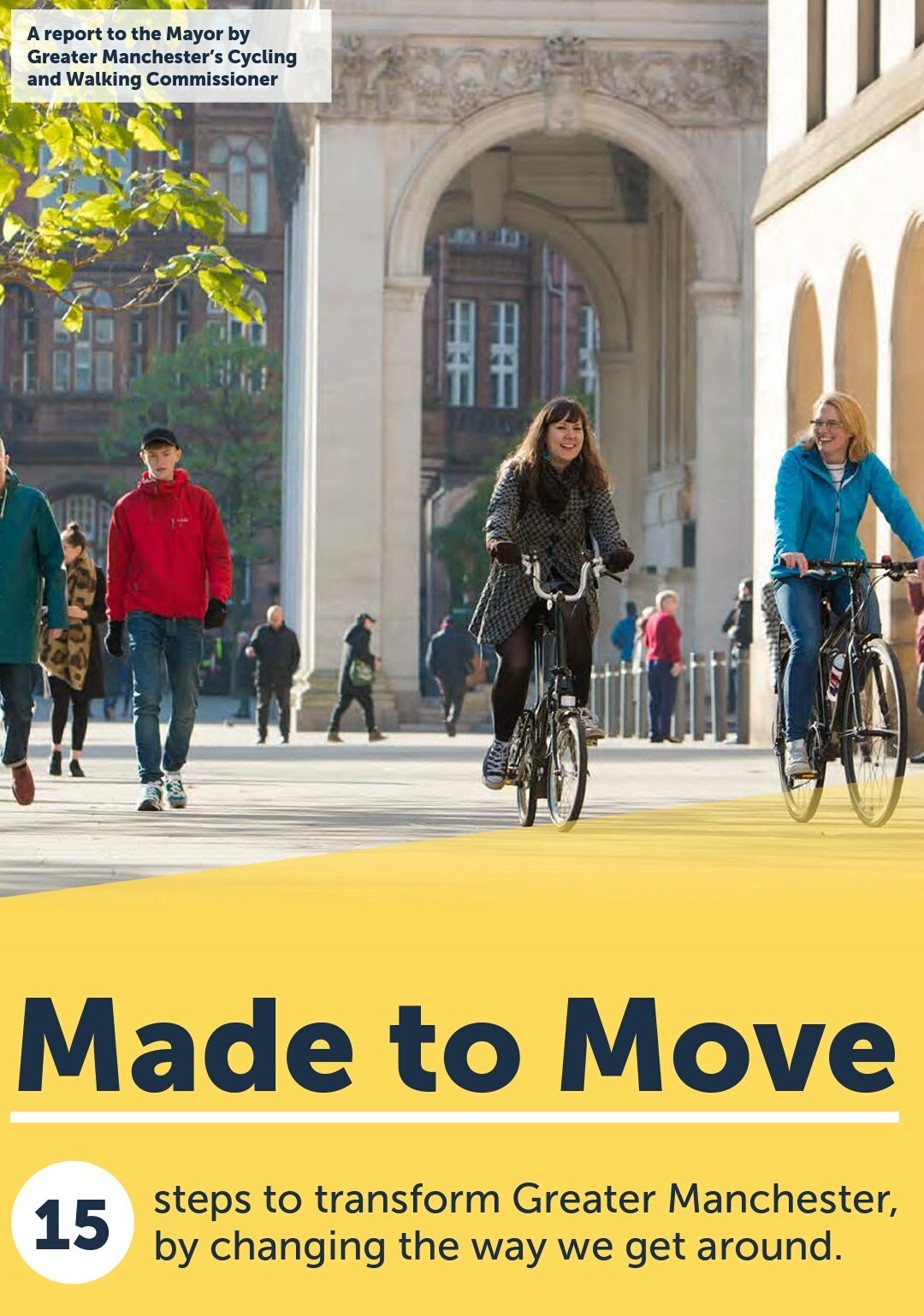

 Streets to live
“Do we want to pursue an American-style approach where kids depend on their parents to take them to school for many years? Or do we want a Nordic-style approach in which mobility considerations are integrated into urban planning, and where the necessary infrastructure is provided so kids can bike to school by themselves? “
Connie Hedegaard, former Danish EU commissioner for climate action
More
The secret behind this Nordic approach is simple: segregated, curbed bicycle lanes, where the layout of every inch has been taken into consideration – such as covering intersections with traffic lights, integrating retracted stop lines for cars and having pre-green lights for cyclists. Give-way lines (“shark teeth”) where smaller roads join bigger ones mean that everyone – including other cyclists – must make a full stop before they move on to a main road. In most places, pavements and bicycle tracks run down smaller side streets as well, illustrating how we give priority to pedestrians and cyclists.