safety in numbers

Bike safety: the great fluoro fallacy

A cyclist and his canine companion on the Walmer Street bridge in Abbotsford.

“Crash evidence often indicates the cyclist was not observed by the driver and the conclusion is that the cyclist was difficult to see. We challenge that conclusion and that it can be solved by dressing the cyclist up in bright clothing,”

more

Being visible is different from being noticed.

On the road, sheer weight of numbers means drivers expect to see cars and trucks and so their attention dutifully shifts towards them. Solitary bicycles, blazing fluoro or no, simply can’t count on being noticed.

make cities walkable

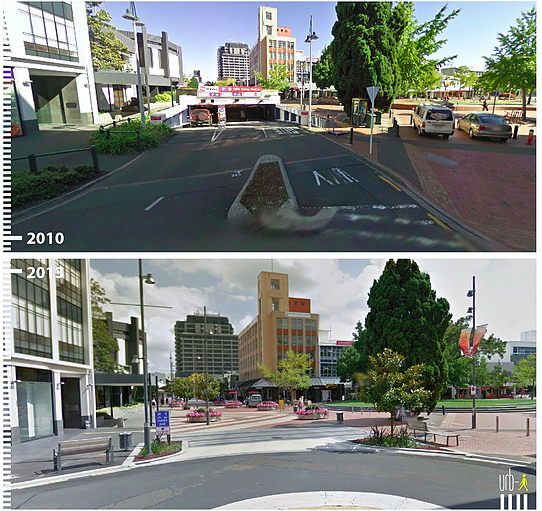
The best way to fix our cities is to make them walkable, says ARUP

pedestrians-cars

We need to design physical activity back into our everyday lives by incentivising and facilitating walking as a regular daily mode of transport. In addition to the host of health benefits, there are many economic benefits for developers, employers and retailers when it comes to walking. It is the lowest carbon, least polluting, cheapest and most reliable form of transport, and is also a great social leveller. Having people walking through urban spaces makes the spaces safer for others and, best of all, it makes people happy.

more

Unsafe at Many Speeds

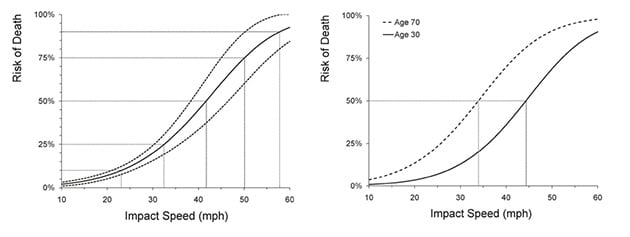
A 70-year-old hit by a car going 35 mph is about as likely to be killed as a 30-year-old hit by a car going 45 mph (in both cases it’s about a 50/50 chance).

The second main point is that once cars reach a certain speed (just above 20 mph), they rapidly become more deadly.

more

Protected Gets Popular

Bike lanes with built-in protection are the hot trend on New York City streets, with new lanes installed or soon-to-be (transalt)

 Image courtesy NYC DOT.

Anyone who’s tried the protected lanes — with a path of green asphalt adjacent to the curb and a lane of parked cars separating cyclists from traffic — gets why this is the new go-to design.

Reducing Speeds Is Key to Improving Traffic Safety

Urban express-ways and highways have become “parking lots” during peak hours and deadly traps the rest of the day.

Road planners have been making a grave mistake for 100+ years by using road capacity and speed the key objectives of their work. Indeed, this approach has been a monumental failure. Not only has road construction not improved traffic in urban areas, but it has also increased the number of fatalities and serious injuries.

A Slower City Is a Safer City

more

need self-driving cars ?

We don’t need self-driving cars – we need to ditch our vehicles entirely

Google self-driving carA Google self-driving Lexus drives along a street during a demonstration at Google’s campus in Mountain View, California. Photograph: Tony Avelar/AP
Apple, Tesla, Uber, Google and various auto manufacturers’ pursuit of driverless cars is an attempt to preserve and maybe extend private automobile usage.

There is talk of how self-driving cars could reduce accidents ( crashes) on the road, but us just driving less could do that too….

more

Safety Cameras save lives


“Speed cameras get drivers to ease off the accelerator, and crashes are less likely to be deadly at lower speeds,” IIHS President Adrian Lund says. “This study connects the dots to show that speed cameras save lives.”

I prefer to call them “safety cameras”

more